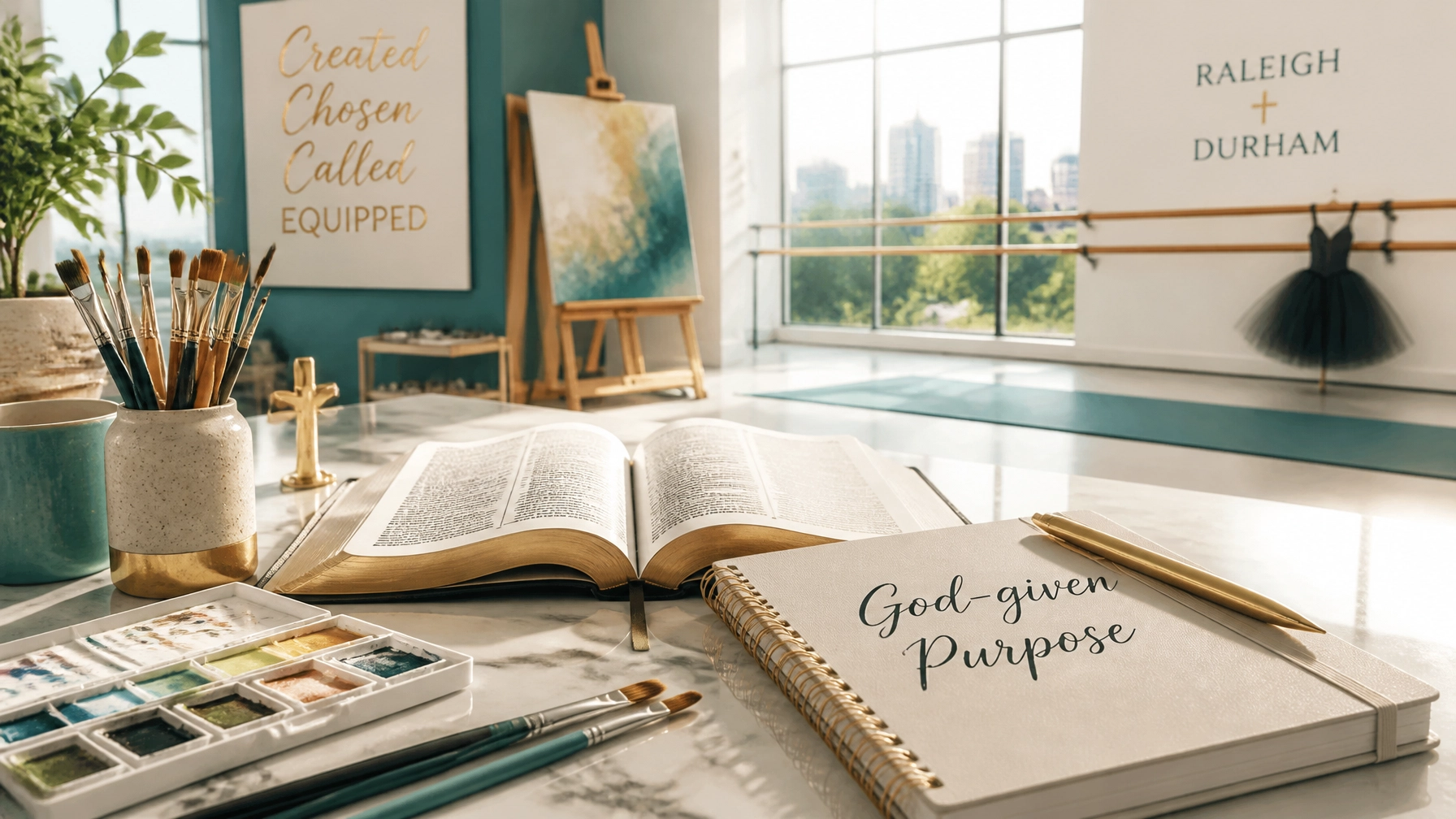
Homeschool Art in 2026: Why Christian Families Are Choosing Faith-Integrated Programs Over Traditional Studios
For years, the "homeschool art" experience was often relegated to the kitchen table: a collection of watercolor sets, glitter glue, and construction paper. While these crafts served a purpose for early development, parents of older students and teens in the Raleigh-Durham area have begun to look for something deeper.
As we move through 2026, a significant shift is taking place in North Carolina’s homeschooling community. Parents are moving away from traditional, purely technique-based studios and toward faith-based art education that addresses the soul as much as the skill. They are seeking more than just "craft-making"; they are looking for a christian art school environment that helps their children discover a God-given purpose.
At the heart of this movement is DG School of the Arts, preparing for a landmark launch in Fall 2026. By integrating faith and worldview into the very fabric of artistic training, this program is redefining what it means to be a creative in the modern world.
The Evolution of the Creative Student
In previous years, traditional art programs: like those found at community centers or secular studios: focused almost exclusively on the "what" and the "how." They taught the mechanics of a brushstroke, the science of color theory, and the techniques for building a college portfolio. While traditional programs have long provided excellent technical foundations, many Christian families feel a growing disconnect between their child's creative output and their spiritual walk.
In 2026, parents are realizing that talent without identity is hollow. A student can master the anatomy of a portrait, but if they don't understand that they are an image-bearer of the Creator, they miss the highest calling of their gift. This is why homeschool art classes are evolving from optional extracurriculars into essential training grounds for Kingdom leadership.
The Three Pillars: A New Framework for Art
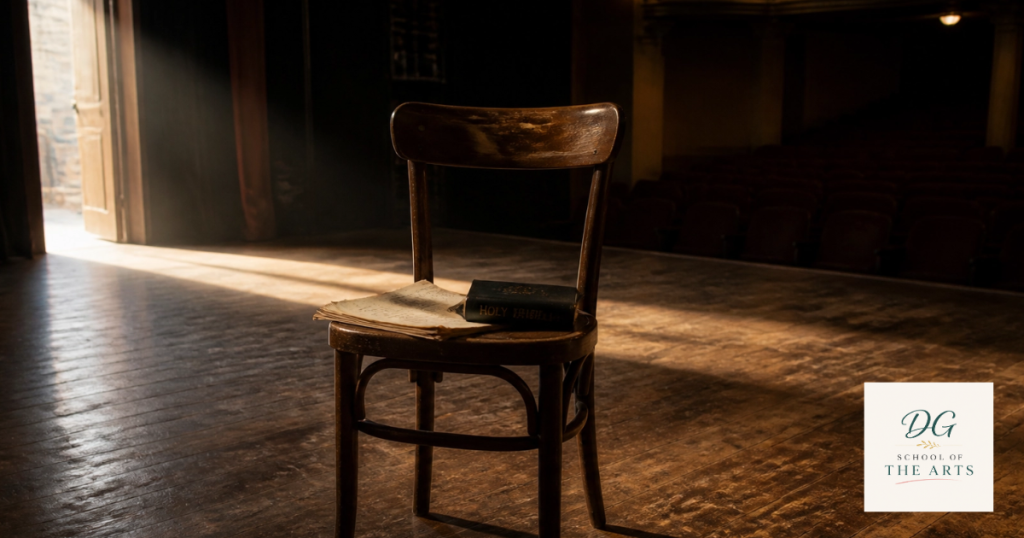
To understand why this shift is happening, we have to look at the framework being introduced by DG School of the Arts. Instead of starting with a blank canvas, the education begins with the artist themselves. This is achieved through the "Three Pillars": Identity, Character, and Craft.
Pillar 1: Identity – Naming the Voice
The first reason Christian families are choosing faith-integrated programs is the focus on identity. In a world that often asks students to "find themselves" through trial and error, a christian art school starts with the truth: you are already found.
At DG School of the Arts, the first pillar is about "Naming the Voice." Students are taught that their creative ability is not a random accident of nature, but a specific gift from God. By understanding their identity as image-bearers, students gain the confidence to create without the fear of worldly comparison. They learn to see their art as a reflection of the Father’s heart, which changes the motivation behind every project.
Pillar 2: Character – The Heart of the Artist
Traditional studios often prioritize "self-expression" above all else. However, in the context of a faith-based education, the focus shifts toward "self-stewardship."
Character development is the second pillar. It involves cultivating the discipline, humility, and collaboration required to sustain a lifelong creative journey. Whether in a dance class or an acting class, students at DG School of the Arts are encouraged to develop the "Heart of the Artist." This means learning to receive critique with grace, working as part of a creative body, and honoring God through the quiet hours of practice that no one sees.
Pillar 3: Craft – Building the Ark
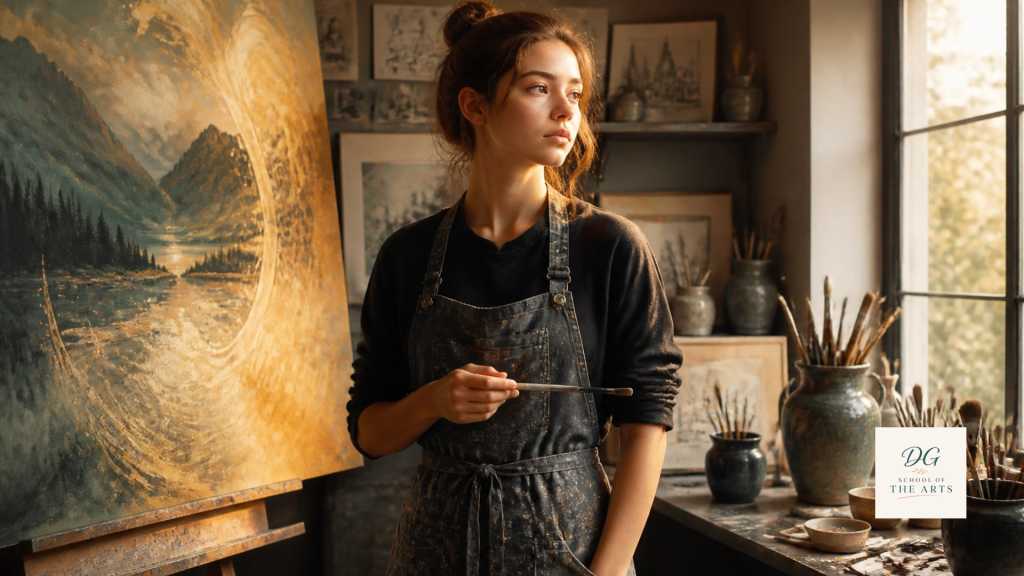
Does a focus on faith mean a compromise on quality? Absolutely not. In fact, the third pillar, "Building the Ark," emphasizes that excellence is a form of worship.
Just as Noah was called to build the ark with precision and mastery, students are called to master their specific artistic tools. Christian parents are increasingly choosing programs that offer professional-level instruction. At DG School of the Arts, this includes high-level mentorship from industry professionals like Matthew and Alicia Sanchez, who bring years of stage and media experience to the classroom. The goal is to equip students with foundational artistic principles so they have the skills to tell stories that truly matter to the world.
Why Raleigh-Durham Parents are Leading the Way
The Triangle area has always been a hub for education and innovation, but the homeschooling population here is particularly discerning. Many local schools have paved the way by acknowledging that fine arts help students develop faith and character.
However, for the homeschooling family seeking specialized, high-frequency homeschool art classes that fit a flexible schedule, DG School of the Arts offers a unique solution. Starting in Fall 2026, the school will provide 60-minute formal classes once per week. This allows students ages 12 and up: as well as adults: to train in disciplines like:
- Formal Acting Classes: Learning professional techniques to tell stories that reflect the Light.
- Formal Dance Classes (ballet): Viewing movement as a physical discipline and a creative language of worship.

Now Enrolling for Fall 2026
The transition from a traditional studio to a faith-integrated program is about more than just switching classrooms; it’s about joining a movement. DG School of the Arts is now enrolling for Fall 2026, with 60-minute formal classes meeting once per week. Students commit to a 6-month structure that includes Term 1 (September–November 2026), Term 2 (January–March 2027), and an April recital.
For parents in Raleigh, Durham, and the surrounding areas, this is a new opportunity to enroll their children in a program where "Kingdom Purpose Meets Artistic Excellence." The Founding Circle rate is $75/month, with a $50 registration fee. Families may also book Guest Sessions by Appointment for $35/hour/class.
By choosing a faith-based art education, parents are ensuring that when their children step onto a stage or pick up a brush, they are doing so with a firm foundation. They aren't just making art; they are honoring their Creator.
Practical Steps for Choosing the Right Program
If you are a homeschool parent evaluating your options for the 2026-2027 school year, consider these questions:
- Does the curriculum mention worldview? Look for programs that explicitly state how they handle the intersection of faith and creativity.
- Who are the mentors? Ensure the instructors are not only technically proficient but also share the values you are instilling at home.
- Is there a focus on foundations? A program that jumps straight into "specialization" without teaching identity and character may lead to burnout later on.
- Does the environment feel like a community? Artistic growth thrives in an atmosphere of support and shared purpose.
Conclusion: Art as a Path to Purpose
As we look toward Fall 2026 at DG School of the Arts, the message for Christian families is clear: your child’s artistic talent is a sacred trust. By moving away from traditional, secular models and toward a faith-integrated approach, you are giving them the tools to not only succeed in their craft but to flourish in their calling.
The world needs more than just talented artists; it needs artists who know who they are in Christ. Whether your student is interested in dance, or acting, finding a program that prioritizes the Three Pillars is the best way to prepare them for a life of meaningful creation.
For more information on the upcoming classes and the Founding Circle, visit the DG School of the Arts official page.