When God Expands Your Calling, Expect Pruning

Have you ever obeyed God, stepped out in faith, and then found that the next season felt lonelier and more difficult than the last? You may have expected the path to open up. Instead, your circle got smaller, your plans changed, and you began wondering whether you had misunderstood the assignment.
I know that tension. Sometimes, as we obey, God entrusts us with more: “I see you stepped out of the boat. I see you are being obedient. So I’m going to give you more of an assignment, something bigger.” That increase can stretch our capacity and faith. It can also come with pruning, preparation, and a call to keep following through.
A greater assignment begins with following Jesus
Jesus told His disciples that those who believed in Him would do the works He did, and even greater works (John 14:12, TPT). That is not a promise of personal fame or effortless success. It points us back to Jesus: our work is to follow Him, obey Him, and serve the purposes of His Kingdom.
Jesus humbled Himself and endured crucifixion. His words from the cross, “It is finished,” remind me that He completed the work the Father gave Him (John 19:30, TPT). My assignment is not to become perfect before I begin. I am being transformed and renewed as I learn to obey, follow through, and complete what God places in my hands.
Sometimes a low point strips away the distractions and brings me back to what matters most: living for Christ and responding faithfully to His call. That does not mean hardship is easy, or that every difficult circumstance is a sign of a new assignment. It means I can keep seeking God in the middle of it.
When vision grows, God may begin to prune
God gave me a vision for DG Inspired Studios: to create media beyond a podcast, content that could bless families. I also knew I did not have all the knowledge or education I thought I needed to build that vision on my own.
As the vision expanded, I experienced pruning in other areas of life. I’ve learned that increase does not always look like adding more people, more activity, or more immediate results. Sometimes it means letting God shape my capacity and prepare me for what I cannot yet carry.
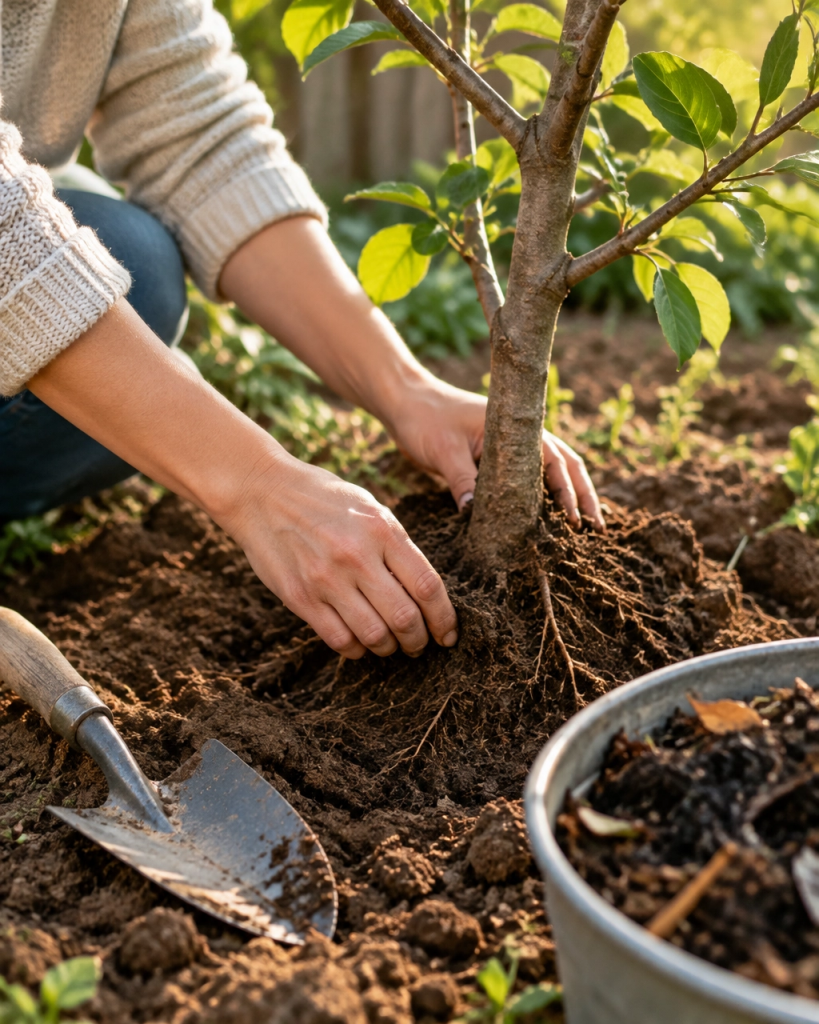
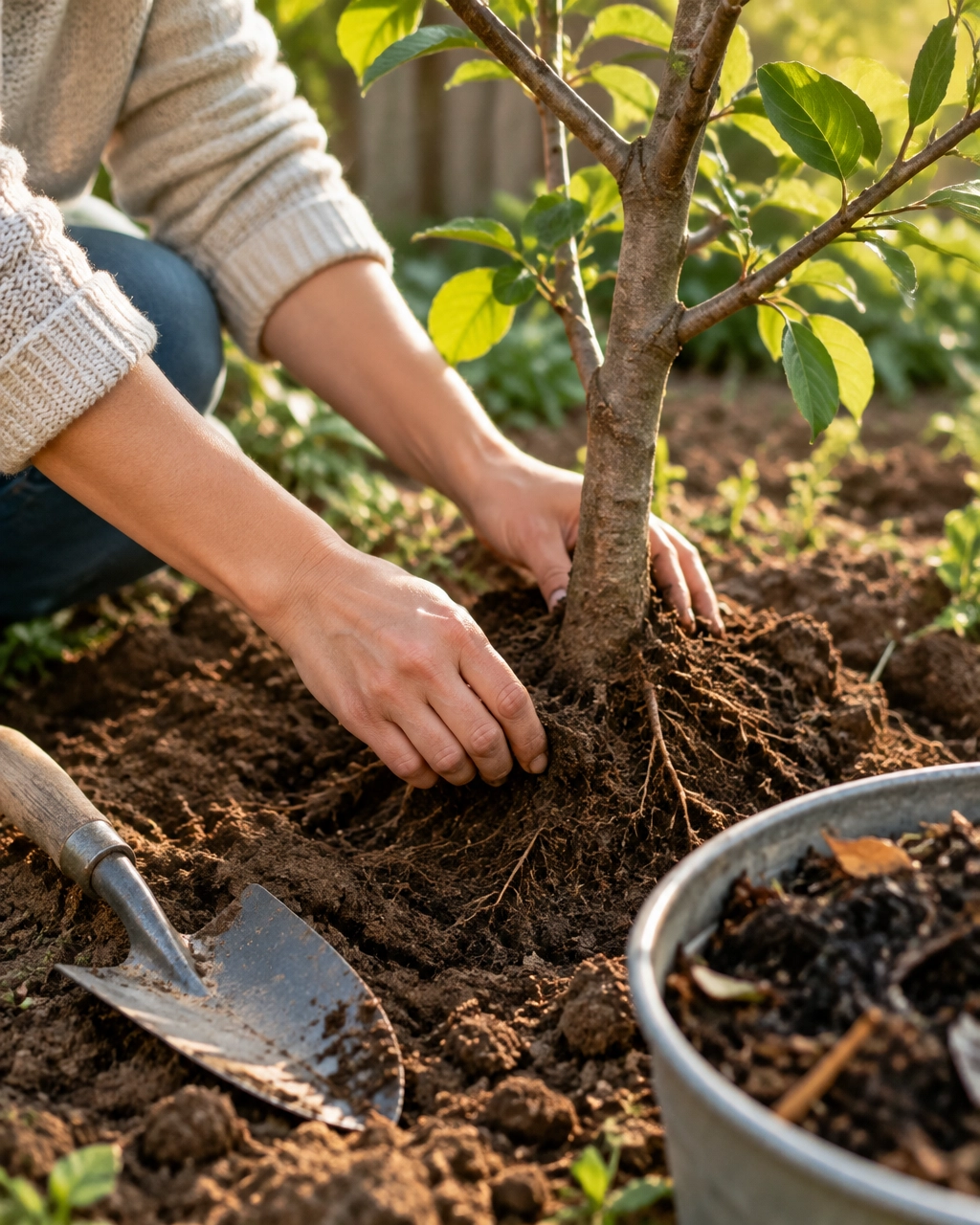
When we moved into our house, we discovered fruit trees in the backyard. A neighbor explained that the previous owners had dug holes only as large as the pots the trees came in. With clay soil as hard as cement, the roots could wind around themselves instead of growing outward.
I had to break ground and make room for those roots. That picture stayed with me. Sometimes old, hard ground in our hearts needs to be broken up so it can soften and be shaped. The work can be uncomfortable, but it makes room for growth.
Jesus’ parable of the fig tree in Luke 13:6–9 describes a vineyard keeper asking for more time to dig around the tree and add fertilizer. The tree is given an opportunity to bear fruit. I take that as a sober reminder that I am called to bear fruit for God, not to measure my value by productivity, but to let my life serve His purposes.
Even if I have been brought low, I am still valuable to God. Humility and worth are not opposites.
Pruning is part of tending, not a verdict on your worth
Each year, I worked on something different with the apple trees. Some seasons required heavier pruning; in others, too much cutting would have weakened the tree. Over time, they grew stronger.
In 2026, the trees looked better than they ever had. They had more fruit, and I had less fungus to fight. Then the squirrels took the apples when they were only halfway grown. They would take a bite and drop them.
After all those years of tending the trees, it was frustrating. But the lesson was clear to me: we can break ground, add nourishment, and go through seasons of pruning, and still encounter something that threatens the fruit. That does not automatically mean the work was wasted. The tending, strengthening, and protecting are all part of the process.
I cannot control every threat or force a harvest to happen on my schedule. I can keep tending what God has entrusted to me, ask for wisdom, and continue in faith.
Alone does not have to mean abandoned
While I was carrying a larger vision, some people were no longer close to me. At one point, I hosted more than 60 people for Friendsgiving. Today, I can count the people closest to me on one hand.
It was not necessarily because anyone had done something wrong. Some people were simply not part of the next season. That kind of change can ache, even when I am trying to follow God faithfully.
I have found it helpful to remember that an alone season does not have to become a lonely season. Quiet can give me space to seek God and listen carefully. But I do not want to turn that into a rule that every relationship change is God’s direction or that I should withdraw from wise, loving community. I keep bringing the decisions back to God and asking for discernment.
Scripture offers examples of people who faced seasons of reduced support or isolation. Gideon’s army was reduced to 300 so Israel would not claim the victory for itself (Judges 7:2–7). Abram left his homeland in response to God’s call (Genesis 12:1–4). Joseph endured a pit and prison before his circumstances changed (Genesis 37; 39–41). David spent time in a cave while fleeing Saul (1 Samuel 22:1–2).
These stories are not identical, and I do not assume every hard season means the same thing. They do remind me that God can meet people in seasons that feel hidden and use those seasons to shape their trust. I want to come before Him with the posture of Samuel: “Here I am. Speak, for your servant is listening” (1 Samuel 3:10, TPT).

Keep learning while the plan is changing
When I changed churches and my social circle became smaller, I also began to wonder whether the podcast had flatlined. I questioned whether anyone was listening and what to do next.
My answer was to continue seeking God and learning. I understood that if the vision involved creating media that reflected God’s glory, I needed to grow as a learner and disciple. Before I could help create work that served others, I needed to keep letting God form me.
I began planning DG School of the Arts with instructors God had brought into the picture. I prepared curriculum, considered how to use a room in my home, and imagined moving to a studio if the program grew. But things did not unfold as expected. We did not have enough students, and the instructors faced a difficult family situation that required their full attention. There were also plumbing leaks in the room I had hoped to use.
We have placed DG School of the Arts on pause until the right timing. I still believe in the importance of obedience and follow-through, but I am also learning to respond to the season in front of me rather than force a plan. I have degrees in pastoral leadership and education, with a focus on the arts, so I had to ask: “Lord, if it has to begin with me, let it be.” For now, I am continuing to learn and discern the next faithful step.
A change of plan does not automatically mean I heard God incorrectly. It does mean I need humility, wisdom, and a willingness to adjust. Sometimes the next step is different from the first plan.
Practice what you believe
I have seen how important it is to follow through on what I believe God is asking me to do. Jesus challenged the crowds and His disciples about religious leaders who taught one thing but did not practice it themselves (Matthew 23:1–7, TPT). His words call me to examine my own life, not just the appearance of my faith.
Before acting on what I believe is God’s direction, I seek to test it against Scripture and the character of God. I value wise counsel from people who show humility and consistency. And once I have discerned a next step, I want to obey it with integrity rather than simply talk about it.
Peter stepped out of the boat when Jesus called him to come (Matthew 14:22–33, TPT). The wind and waves were real, and Peter needed Jesus’ help when fear took hold. His story is not an instruction to take reckless risks. It encourages me to keep my eyes on Jesus and respond to His invitation, even when the circumstances are unsettling.
So I ask myself: Will I practice what I believe in faith? Will I keep following Jesus through a season of pruning, preparation, or loneliness?
I bless you and ask God to help you continue growing as you seek Him and His ways. May you learn to recognize the next faithful step and walk in it with humility. When the plan changes, may you remember that you can return to God, become a learner again, and listen at His feet.
Continue the journey
If you are a Christian mother seeking clarity about your calling, I invite you to explore the free Christian Mother’s God-Given Calling Guide. You can also find free Scripture-based encouragement at pearl.deborahgambrel.com.
You can also find more reflections on calling and spiritual growth at the blog, follow @dgstudioscreative on Instagram, and visit deborahgambrel.com.
To hear the audio episode that shares this story, listen to “When God Expands Your Calling, Expect Pruning: Obeying Through Lonely Seasons | Behind the Scenes, Part 2” on The Language of Pearls Podcast.
Subscribe to The Language of Pearls Podcast and share this post with a woman who may need encouragement to keep listening and learning through a changing season.
Reflection: What is one faithful next step you can take without needing to know the whole plan?
SEO details
- Meta description: When God expands your calling, expect pruning. Why obedience can bring lonely seasons and how God uses them to prepare you.
- Alternate titles:
- When You Step Out of the Boat: Why God Prunes Before He Entrusts More
- Why Does God Prune Me After I Obey?
- SEO tags: Christian calling, pruning season, stepping out in faith, Christian moms, spiritual growth